Across the country, United Way Centraides are helping build stronger, more resilient local economies by investing in long‑term community capacity. One powerful example comes from Kelowna, where United Way British Columbia (UWBC) supported The Clubhouse Child Care Center, or Clubhouse, in a major transformation from operating fully in rented spaces to owning a farm and creating Treehouse Forest Preschool, the first licensed nature-based preschool in British Columbia. Through the Impact & Leadership Development Program (ILDP), in partnership with delivery partner Purppl, a social enterprise, Clubhouse strengthened its vision, financial stability, and impact on early childhood education, placing connection to nature at the heart of economic development.
Why Local Economic Development Matters
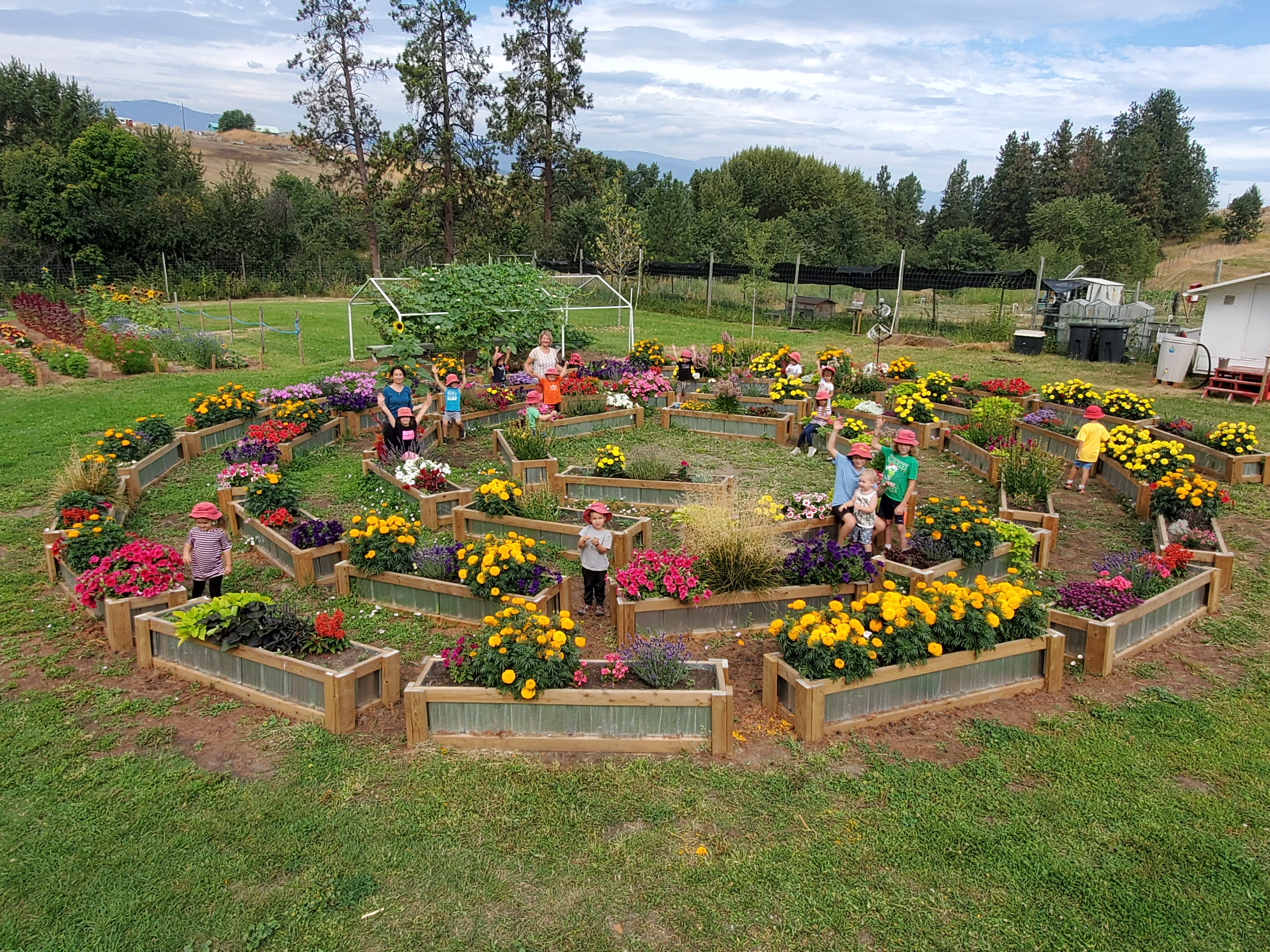
For 30 years, Clubhouse operated across seven sites without owning any assets. Their nature‑based programming was strong but renting constrained long‑term planning and limited innovation. The opportunity to purchase the farm they had been leasing changed everything. The land offered outdoor space that connected children to food systems, animals, and hands‑on learning that deepened their relationship with nature and community at the heart of the local economy.
Fifteen years earlier, Clubhouse received annual grants of $20,000 and $18,000 from UWBC. Those early investments sparked a partnership with another daycare to launch a nutrition and fitness program. That catalyst shifted Clubhouse’s understanding of what childcare could look like and opened the door to deeper community engagement. They began partnering with schools, expanding outdoor learning, and ultimately leasing a farm. This bold decision transformed how children learned and thrived.
Over a decade, the farm became a living classroom where children returned to ongoing outdoor projects, developed confidence through hands‑on activities, and strengthened social and emotional skills. Staff observed notable improvements in self‑regulation and mental well‑being, particularly among children with ADHD or autism who thrived in open‑ended, nature‑rich environments.
From Leasing Land to Owning It
When the opportunity arose to purchase the $1.4‑million farm property, the idea initially felt out of reach. Where mortgage support may be more challenging to access in the nonprofit sector, barriers may exist for some organizations without existing assets. However, years of steady capacity‑building through the ILDP changed what was possible.
With the multi‑year support offered through the IDLP, Purppl helped Clubhouse build financial literacy, develop a theory of care, strengthen programs for long‑term sustainability, and prepare its board for major decisions. This relational, long‑horizon investment positioned Clubhouse to secure financing through Valley First Credit Union, its first mortgage and a significant milestone in nonprofit economic development.
Owning the farm has enabled:
Ownership also created a stronger sense of belonging for children. From an early age, they can help turn on irrigation, harvest crops, and collect eggs—gaining practical skills and a deeper sense of agency, including an early understanding of entrepreneurship.
Lasting Stability and Pathways for Community-Rooted Economic Opportunity
Owning the land has expanded food production—berries, rhubarb, asparagus, tomatoes—and strengthened relationships with local chefs, wineries, and residents. Community members now contribute materials, compost, and volunteer time after seeing Clubhouse’s work online. Local businesses increasingly seek opportunities to collaborate or purchase produce.
This model demonstrates the broader value of nonprofit‑led economic development by creating stable jobs, training pathways, strengthening food security, allowing community pride, and securing local partnerships.
More than 1,500 children from low‑income schools visit Clubhouse Farm each year through an Okanagan foundation grant. Many become “young entrepreneurs,” eager to learn how to grow and sell produce. Local partnerships have flourished, creating new community‑rooted economic opportunities that go far beyond what project-based and short-term funding models can create and measure within shorter timeframes.
Asset Development as Local Economic Development
United Way Centraide’s role in this transformation shows what long‑term capacity investment can accomplish. Through the ILDP, United Way BC and Purppl acted not as short‑term funders but as long‑term partners, supporting Clubhouse through years of learning, restructuring, and strategic planning. This type of investment reduces nonprofit financial vulnerability by challenging unstable rental dependence and restrictive funding norms.
Clubhouse’s journey shows our sector’s funders the value in reconsidering policies that cover rent but not mortgages, recognizing that asset ownership increases resilience, attracts donors, and creates dignified workplaces, learning environments and community spaces.
Owning the Future
The Clubhouse Childcare Center story is about more than purchasing land—it’s about building a future. It demonstrates how communities grow stronger when they own assets, and how children can flourish when they learn through nature, food, and community.
When United Way Centraide invests in capacity over the long term, we help build local economies, reduce financial anxiety, and nurture intergenerational impact and when communities own their assets, they own their future.