Financial anxiety is one of the clearest signals that people are being pushed to the edge of affordability. It shows when a missed shift can mean a missed rent payment, when rising costs of living outpace wages, and when people cannot see a stable path forward for their future. For many people with disabilities, that anxiety can be made worse by barriers to employment that are not about talent, skills, or ambition, but about workplaces and systems that have not always been built with accessibility, flexibility, and inclusion at the centre.
United Way East Ontario (UWEO) understood this challenge through its local data, community relationships, and experience with community-wide employment initiatives. The organization had already supported Hire Immigrants Ottawa, a model that brought employers and service providers together to address barriers facing newcomers in the labour market. That earlier initiative was built over three years before the launch and was grounded in research, including demographic shifts identified through the 2006 census and five years of research and consultations with the corporate sector and community partners. Similar patterns were also evident for people with disabilities: community organizations were preparing job seekers, but many employers lacked the confidence and capacity to recruit, manage, retain, and advance diverse talent. UWEO helped support the funding and infrastructure needed to launch the Employment Accessibility Resource Network, known as EARN.
The EARN team and members attending an International Day for Persons with Disabilities event.
EARN was launched 16 years ago in response to a clear local need: people with disabilities were underemployed compared to the general population, while employers needed workers and service providers were already doing strong front-line work to prepare candidates. The missing piece was often employer confidence. As interview participants noted, some employers hesitated because they were unsure how to address barriers, how to manage accessibility needs, or how to lead inclusively. UWEO helped fill the gap by supporting a capacity-building network of employers and service providers that exceeded what any organization could sustain on its own.
That distinction is one of the most important lessons from EARN. United Way East Ontario’s contribution was not to replace community agencies that help people prepare resumés, practice interviews, or connect with job developers. Its role was to convene, connect, and build shared capacity on the strength of its network and long-standing credibility. Building on connections gained through workplace charitable campaigns and other community work, UWEO was able to bring together employers and service providers who did not have the capacity time, mandate, or resources to build those connections independently.
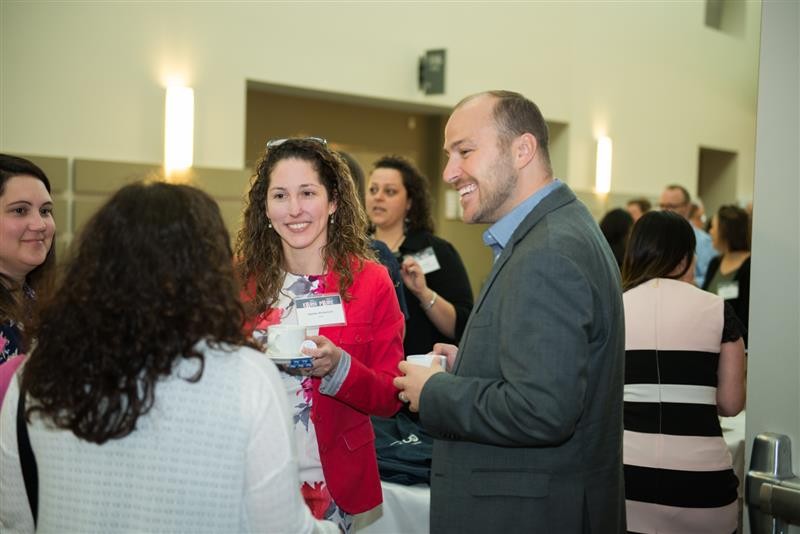
EARN members networking at the EARN Conference.
Today, EARN is a standing network of more than 180 members, including employers, employment service providers, community organizations, and disability support organizations such as the Canadian National Institute for the Blind (CNIB). Through the collective efforts of those members, more than 11,000 people have found employment since 2010. Although some people may access support more than once, hires are likely underreported, and not all employer members are able to report outcomes consistently, the numbers point to meaningful system-level impact and to the value of coordinated action over time.
The lessons learned apply well beyond East Ontario. First, the work must be evidence-based. United Way East Ontario’s understanding of local demographic and labour market data helped make the case that supporting people with disabilities to access employment was both an equity priority and an economic development strategy. Through EARN, UWEO is also contributing to the growing recognition that more people are identifying as having disabilities, that many workers acquire disabilities as they age, and that the percentage of people with disabilities within organizations is growing over time. Those trends matter for employers planning for the future of work and for communities trying to reduce financial anxiety before it becomes crisis.
Second, trust takes time. So does the front-end work: mapping stakeholders, understanding community needs, identifying labour market demand, and fostering collaborations between United Way East Ontario and existing organizations. This groundwork could take years, but it was essential to building a shared agenda—one where employers, service providers, and community partners could see themselves in the work and understand the value of contributing to it.
Third, inclusive employment is not only about recruitment. In the early days, EARN focused heavily on helping people get hired. Over time, its work has expanded to retention, advancement, accessibility planning, and workplace culture. Interview participants noted that capacity building benefits organizations too, including by addressing turnover and helping employees advance in line with the experience they bring to their roles. This directly impacts financial anxiety: a job only fosters long-term stability when employees can stay, grow, and contribute fully.
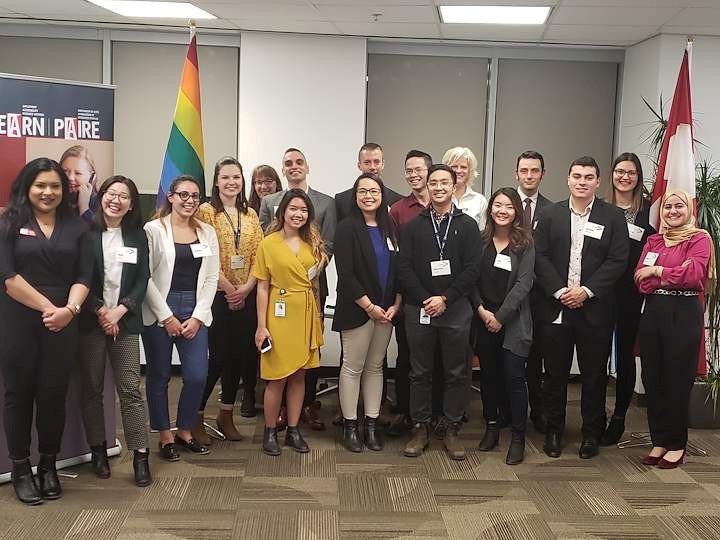
Employees of Accenture who hosted an EARN learning and networking event.
Finally, the EARN model shows why long-term, flexible support matters. Because the network is not tied to a single short-term project, it can respond as conditions change, from a softer labour market five years ago to return-to-office policies that can create unintended barriers for some people with disabilities when flexibility and accommodation needs are not adequately considered, to new accessibility planning requirements.
For United Way Centraide, EARN shows how local economic development can help reduce financial anxiety by strengthening the systems that connect people to opportunity. By investing in community infrastructure, supporting employers to build more inclusive workplaces, and helping people with disabilities access meaningful employment, United Way Centraide helps create pathways to greater stability, dignity, and financial confidence.



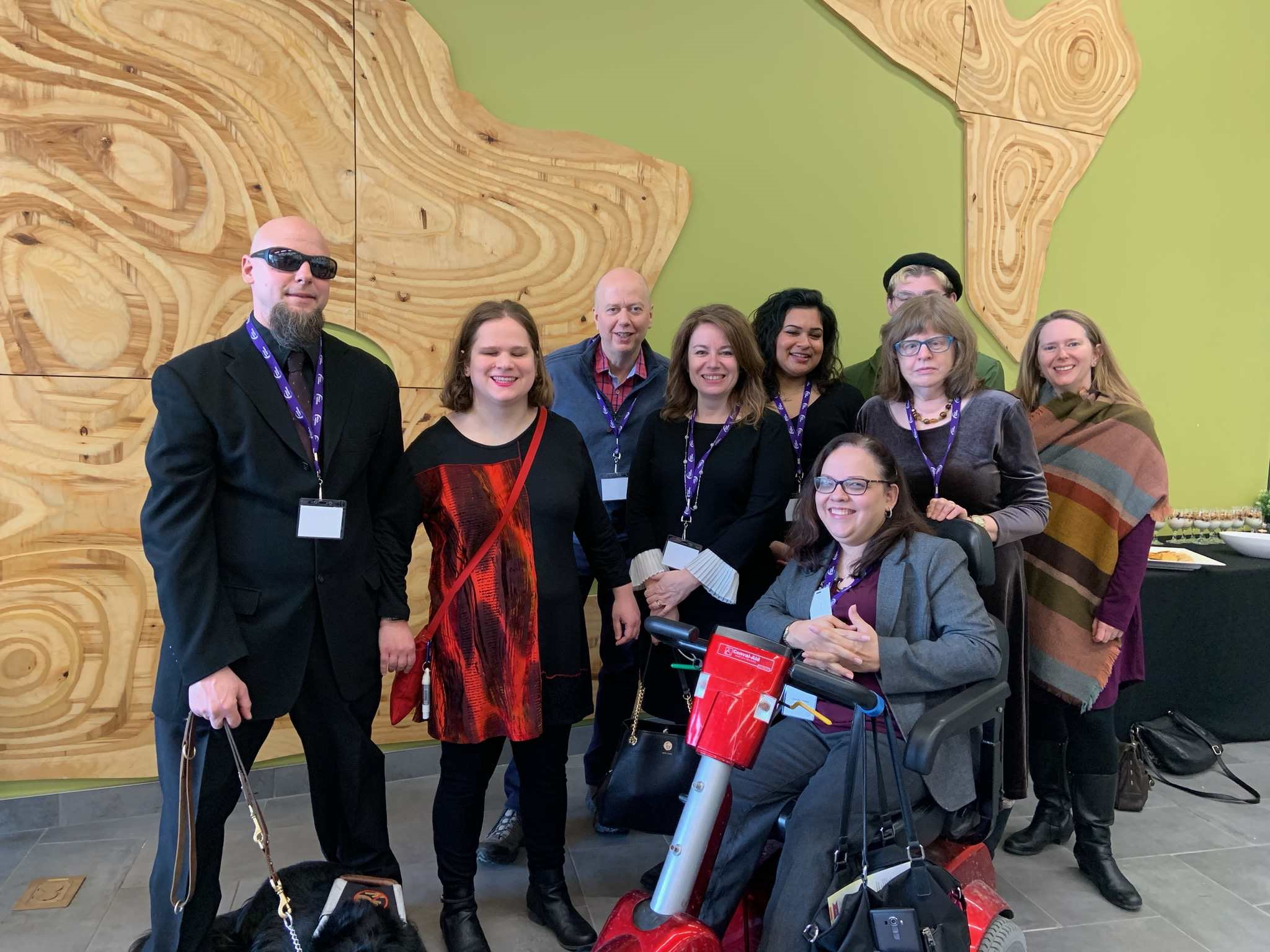 The EARN team and members attending an International Day for Persons with Disabilities event.